PRIORITISATION
Although writing from a project background, I have become more aware of the need for effective prioritisation in almost every modern role.
When faced with dozens of work items, all of which are required ASAP, it is easy to become daunted by the tasks before you. Rather than being overwhelmed by your workload, effective prioritisation will enable you to tackle the work in the most efficient way....
Each item of work does have a level of importance; however, the truth is that a lot of the work we do every day doesn’t really need to be done. At least not right away.
Learning how to prioritise well, means getting more out of the available time you have each day. Prioritisation is part of the foundation of effective working and can help with everything from productivity to work life balance.
But while the elements of prioritisation are simple (i.e. Know what tasks need to be done and rank them). It’s far from a simple exercise.
To make things easier, I’ve outlined a couple of methods which may help. This should give you enough detail to try each and see which works best. There isn’t a definitive method (different systems suit different people best). However, you should be able to find something that will help you to work more effectively.
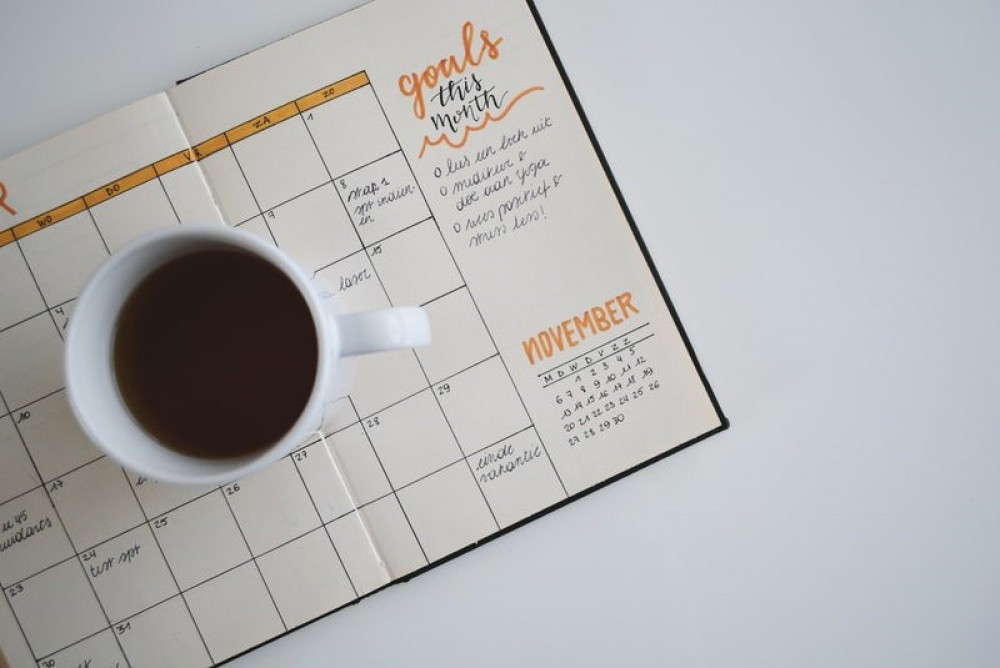
1). Create a master list and break it down into daily, weekly and monthly goals.
Work items vary greatly, some tasks can take a matter of hours, but a major item could involve weeks, if not months of effort. This will help by allowing you to see all your work commitments; without this it can be easy to default to what seems immediately urgent and ignore the fact that you’re not getting anywhere with the bigger priorities.
In general, your monthly list will pull from your master list, your weekly list will pull from your monthly list, and so on. This way, you know your daily priorities are aligned with your bigger goals.
2). Try and split your tasks into urgent and important.
Apparently, this method was originally developed by former US president Eisenhower. In basic terms, urgent tasks are things you feel like you need to react to right away, like emails, phone calls or texts.
Important tasks are the ones that contribute to your longer-term mission or goals.
When looking at how to prioritise tasks best, ask which one of the following they fit in best. Then deal with them accordingly:
- Urgent and Important: Do these tasks as soon as possible
- Important, but not urgent: Decide when you’ll do these and schedule it
- Urgent, but not important: Delegate these tasks to someone else
- Neither urgent nor important: Drop these from your schedule as soon as possible
Try out the method that you think will best fit your working life and I trust that by putting this into practice you will be able to find a method that suits your style of working and helps you to stay in control. Let us know how you get on!